
Ultra-S3 — Hydrogen Sulfide Removal
Eliminate H₂S Instantly to 0 ppm
Ultra-S3 is an oxidizing system that quickly and effectively breaks down hydrogen sulfide gas (H₂S) into elemental sulfur and water and breaks down other recalcitrant organic compounds into primarily carbon dioxide and water. It has been used successfully in the United States and abroad for more than a decade in landfills, waste water treatment facilities, waste water retention ponds, food processing plants, chemical plants, paper mills, and sewage lines.
Ultra-S3 — hydrogen sulfide removal
Iron-based chemistry that scrubs H₂S to non-toxic byproducts in a single pass. Low energy footprint, minimal maintenance, proven across GCC oil & gas operations.
Why H₂S Must Be Eliminated
Odor & Pollution
Hydrogen sulfide (H₂S) is the most common odor-causing chemical in industrial and municipal wastewater environments. When oxidized it forms sulfur dioxide (SO₂), a major component of acid rain.
Health & Safety
Even at lower concentrations, H₂S gas can cause shock, convulsions, inability to breathe, extremely rapid unconsciousness, coma, and death with as little as a single breath. It is a colorless gas heavier than air with the distinct odor of rotten eggs.
Infrastructure Damage
When exposed to H₂S gas, metals such as iron and steel undergo significant sulfide corrosion, leading to weakened structures and pipeline failures. This causes costly repairs and safety hazards.
How Ultra-S3 Works
A simple three-step process that eliminates H₂S and other recalcitrant compounds.
Injection
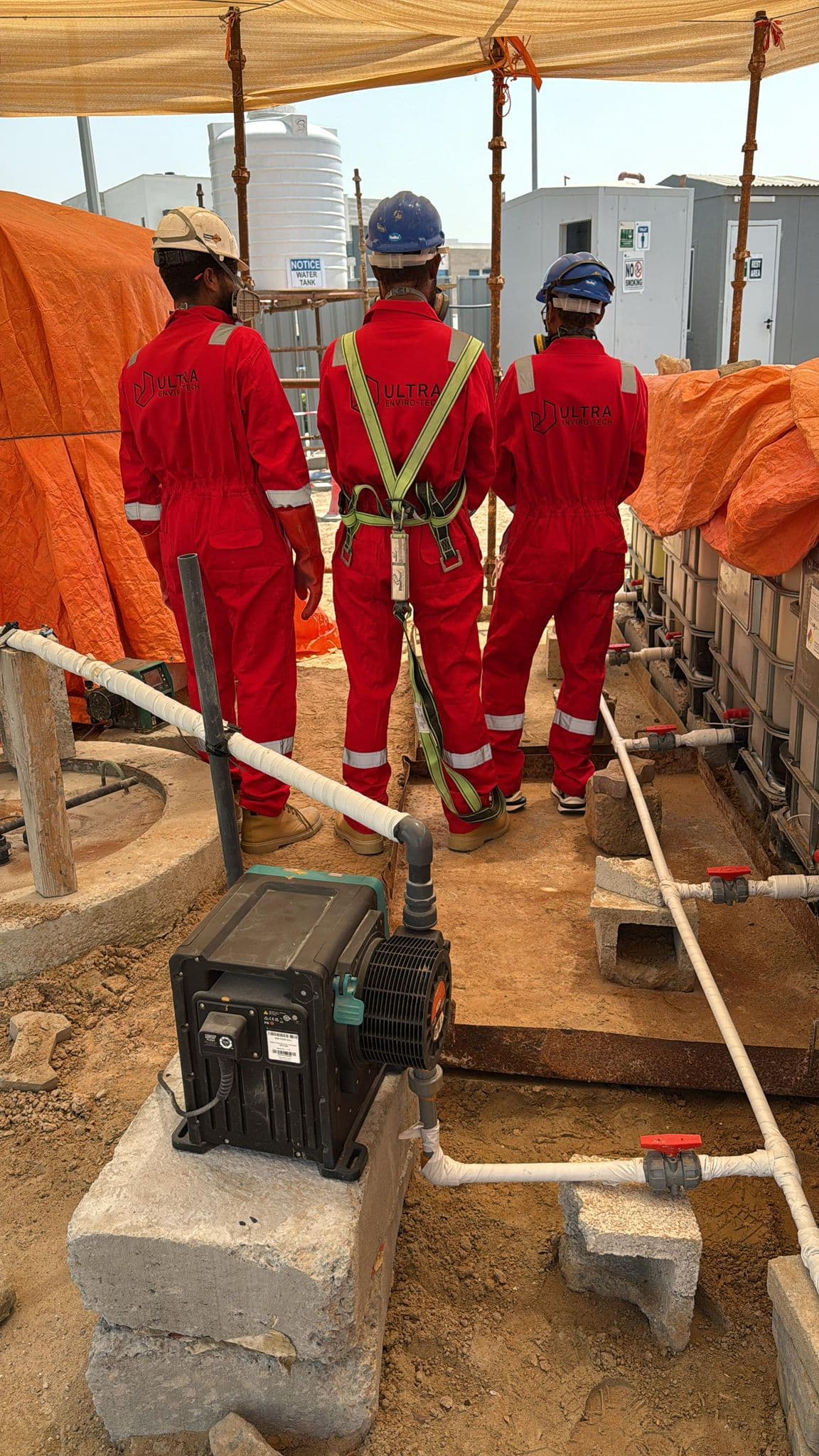
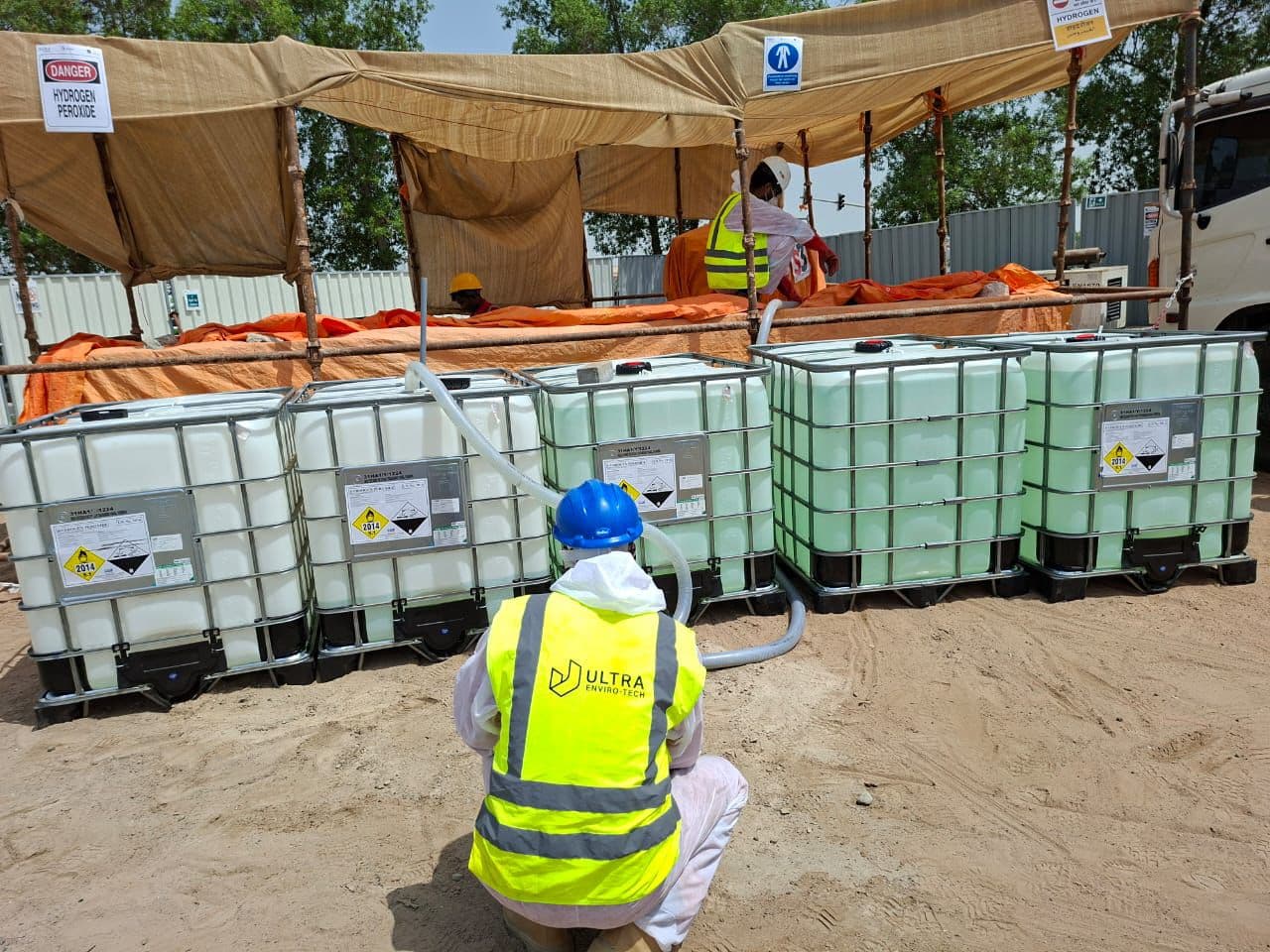
An oxidant (generally hydrogen peroxide H₂O₂) and the Ultra-S3 are injected separately into waste stream or over target area.
Radical Formation
When combined with an oxidant, Ultra-S3 produces hydroxyl radicals capable of treating a variety of recalcitrant organic compounds.
Oxidation
Hydroxyl radicals are highly efficient oxidizers that break down difficult chemical bonds to remediate organic compounds to non-detectable levels.
Characteristics & Properties
Ultra-Efficient
Eliminates H₂S instantly, achieving 0 ppm
Easy to Deploy
Minimal capital infrastructure investment
Cost-Effective
Compares favorably to other competitive treatment solutions
Safe
Classified as non-hazardous under TSCA (1976)
Targeted
Targets problem compounds without destroying beneficial microbes
Strong ROI
Prolongs infrastructure life significantly
Benefits
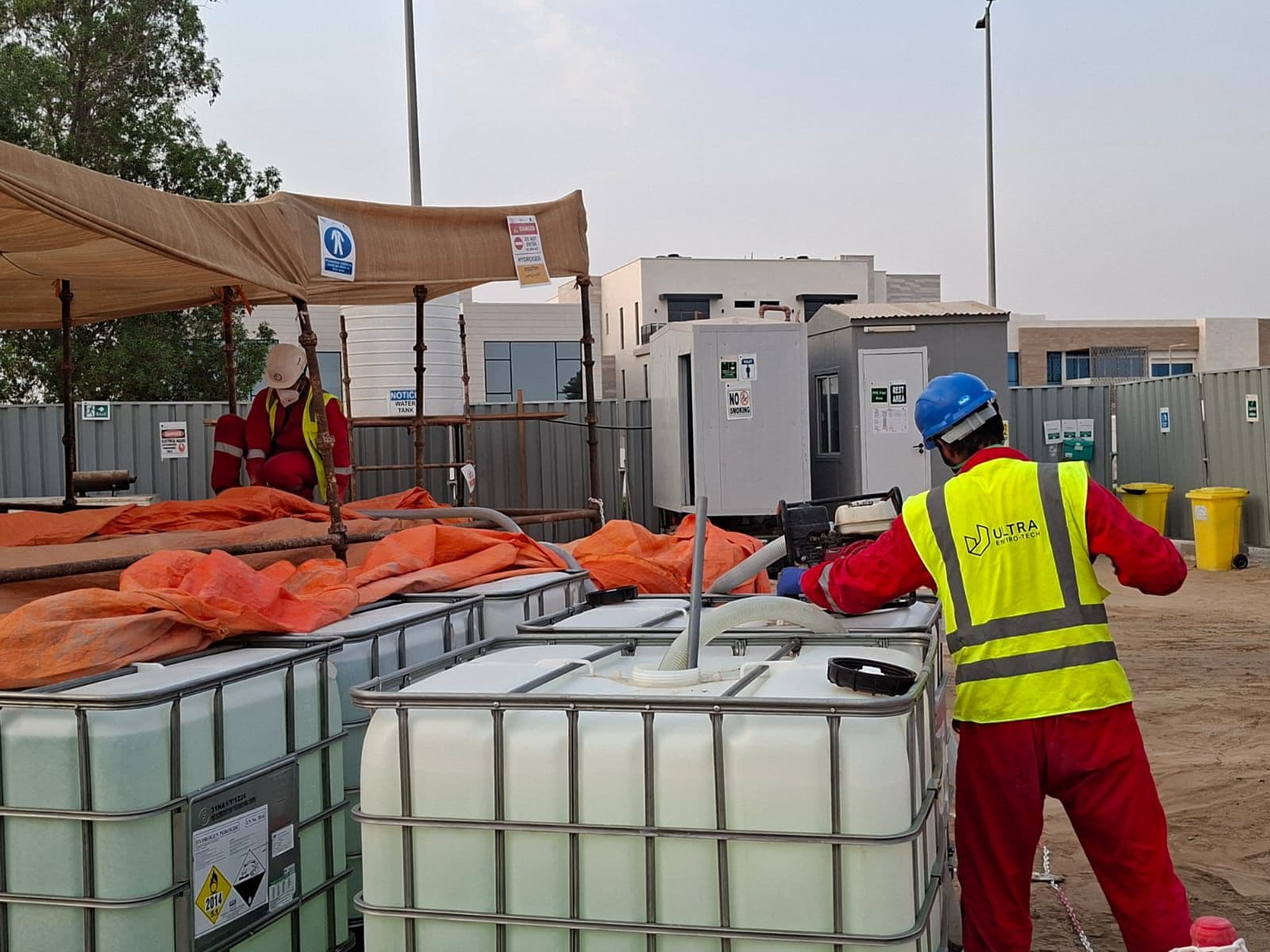
Sour-gas H₂S removal at TAQA scale
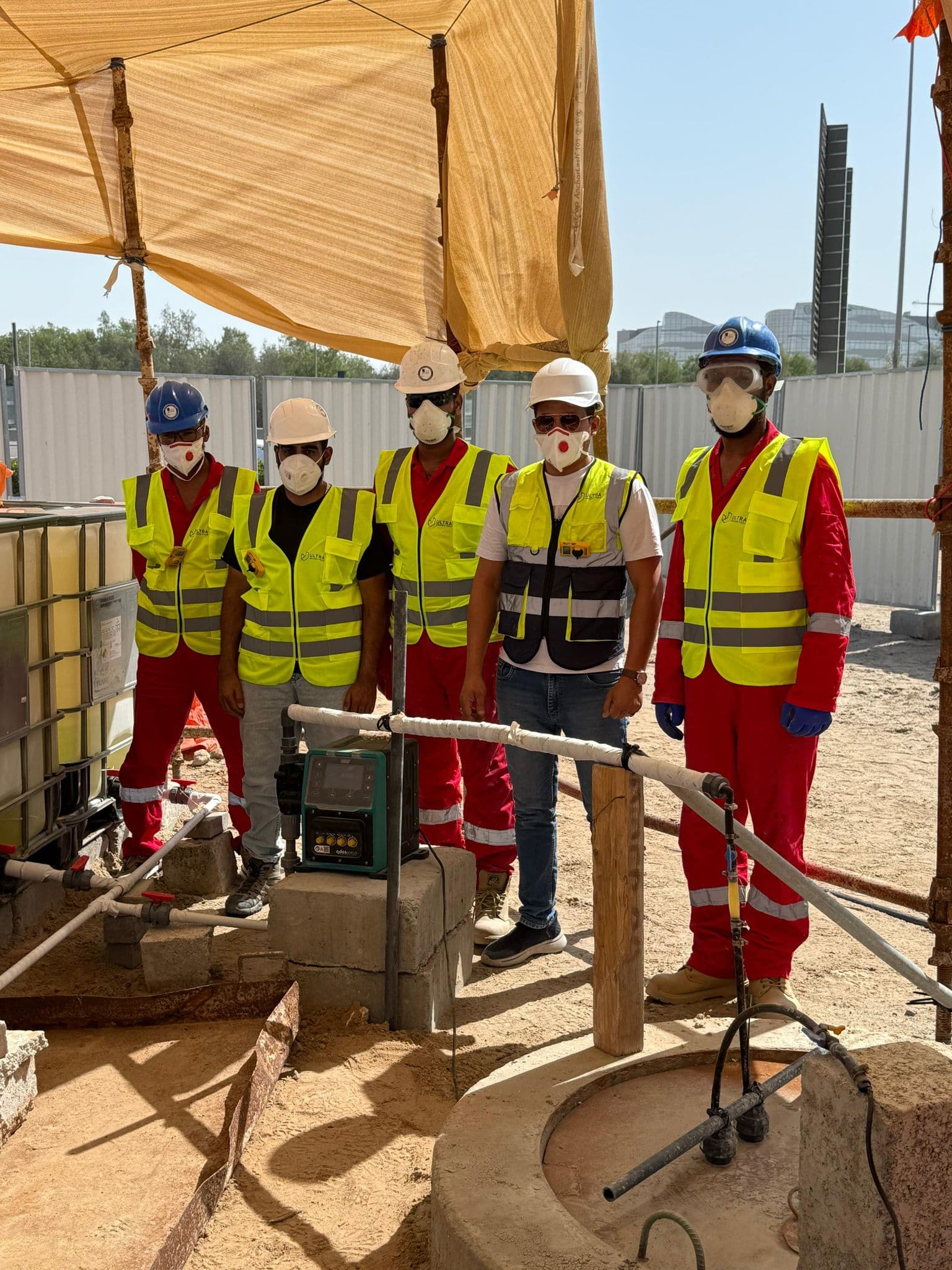
Ultra-S3's iron-based chemistry scrubs hydrogen sulfide to non-toxic byproducts in a single pass — no high-pressure equipment, no exotic catalysts, no continuous chemical regeneration. Deployed at TAQA operations across the Gulf, the system delivers measurable emission reduction with minimal operational footprint.
Applications
- Landfills (leachate treatment)
- Wastewater treatment facilities
- Wastewater retention ponds
- Food processing plants
- Chemical plants
- Paper mills
- Sewage lines & networks
- Lift stations & pump stations
- Lagoon remediation
- Pond remediation
- Industrial air scrubbers
- Manholes
Proven Across the GCC
Doha West Sewage Treatment Plant
Trial at Doha West STP to reduce H₂S levels at the centrifuge, supervised by Suez Process Manager Remi Berthe. Before dosing, the H₂S reading was OL (Over Limit) on a machine with a maximum of 580 ppm and the odor was extremely strong.
The Pearl Qatar — Lift Station
Ultra-S3 trial at the lift station in Quartier and manhole at Porto Arabia Tower 9. Before dosing, H₂S levels exceeded the instrument maximum of 360 ppm.
NAMA Oman — SPS1 Pilot
Pilot to evaluate Ultra-S3 for mitigating H₂S gas concentrations in the wet well of SPS1. Goal was to achieve a safer, odor-free environment by neutralizing H₂S emissions.
TAQA — Abu Dhabi Network
Ongoing project dosing Ultra-S3 at key pump stations across the Abu Dhabi sewage network with the goal of reducing H₂S levels to ≤5 ppm.
Air-Scrubber Repurposing
Repurpose existing scrubbers to use Ultra-S3 with minimal effort and maximum savings.
Simple Repurposing
Drain existing scrubber, clean sump and packed bed of accumulated sulfur, refill with Ultra-S3 and water. No more feed-and-bleed.
75–90 Day Lifecycle
Ultra-S3 regenerates, allowing 75–90 day lifecycles with only make-up water needed to balance evaporation.
Zero Capital Expense
Uses existing scrubbers with no modification — zero CAPEX required. Only OPEX for the Ultra-S3 solution.
10–30% OPEX Savings
More efficient than caustic soda, sodium hypochlorite, and hydrogen peroxide. Non-hazardous, biodegradable replacement.
Northern California WWTP
One Northern California wastewater treatment plant used Ultra-S3 to eliminate a serious H₂S problem. The wastewater had hydrogen sulfide levels of 7–10 ppm, producing concentrations in sewer air averaging 102 ppm and peaking at 250 ppm.
- Reduced hydrogen sulfide concentration in the air to less than 1 ppm
- Only 3 minutes of contact time required
- Objective was <10 ppm — achieved <1 ppm
- Approximately 1,200 pounds of hydrogen sulfide eliminated

Interested in Ultra-S3?
Contact our team for technical consultation, product demonstrations, and competitive pricing.